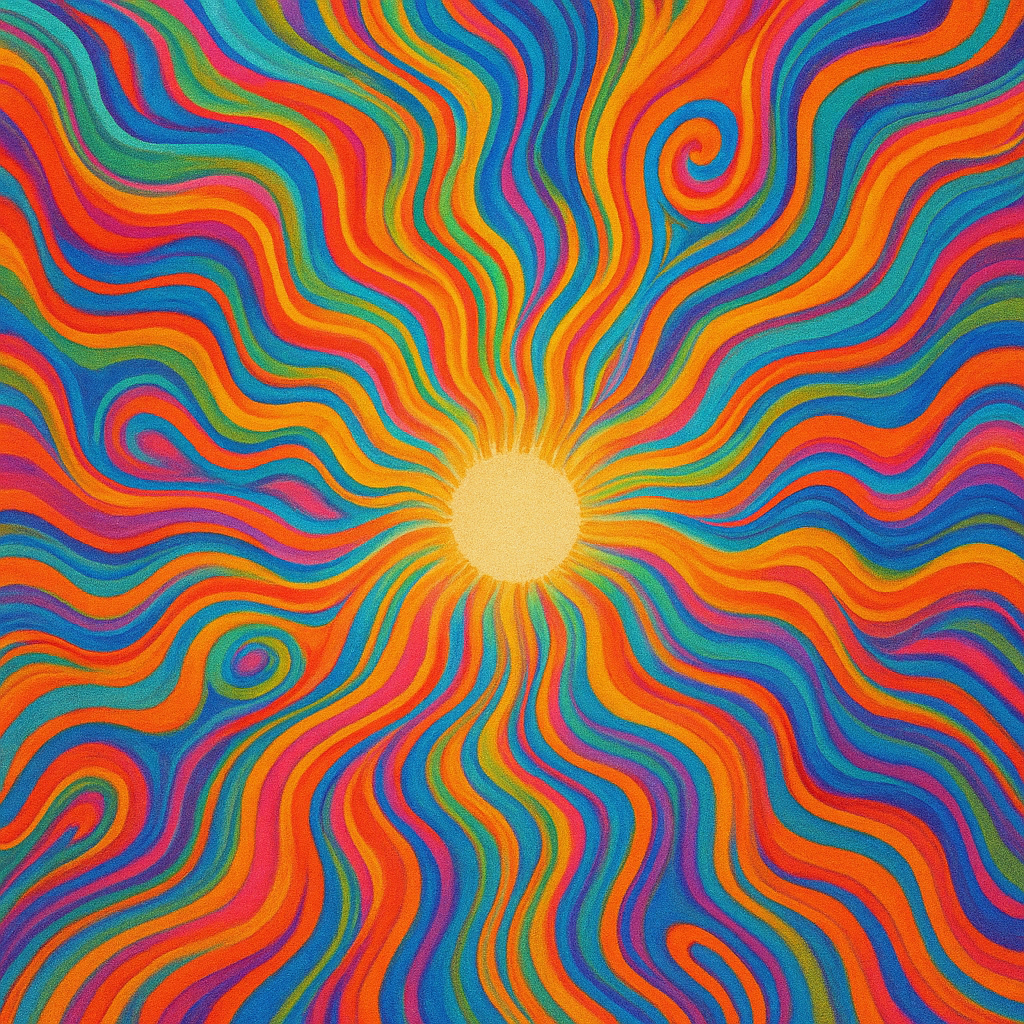
In the ever-evolving landscape of modern music, few genres have intertwined as seamlessly—and as hypnotically—as psychedelia and indie. While rooted in different eras and cultural movements, these two forces share a deep spiritual and sonic connection. At the heart of their bond is a mutual devotion to experimentation, emotion, and escapism.
A Brief History of Psychedelia
Psychedelic music emerged in the mid-1960s, fueled by the counterculture movement and the rise of hallucinogenic experiences. Artists like The Beatles, Pink Floyd, and Jefferson Airplane sought to mimic and enhance altered states of consciousness through sonic layering, unusual instruments, and abstract lyricism. Psychedelia wasn’t just a sound—it was a full-bodied experience that mirrored the swirling visuals and mind-expanding ideas of the time.
Enter Indie: A New Vessel for the Old Trip
Fast-forward to the late 1990s and early 2000s. The indie music boom brought with it a rejection of mainstream formulas and a return to DIY ethos. This was fertile ground for a psychedelic revival. Bands like Animal Collective, Tame Impala, and MGMT began channeling the textures and colors of classic psychedelia, but through a modern lens—often blending it with synth-pop, lo-fi production, and introspective lyricism.
Tame Impala, arguably the poster child of neo-psychedelia, led by Kevin Parker, fused shimmering guitar lines with electronic beats and dreamy vocals to create a sound both nostalgic and futuristic. It was psychedelic, yes—but also deeply personal, tinged with the kind of emotional vulnerability that defines much of indie music.
Why They Fit Together
Psychedelia and indie music are both about freedom—freedom from commercial expectations, conventional song structures, and linear thought. While traditional rock or pop often strives for clarity and precision, psychedelic indie music embraces ambiguity. Reverb-drenched guitars, ethereal synths, and cryptic lyrics invite listeners to get lost rather than led.
This sense of openness also makes the genre highly inclusive. Whether it’s a bedroom producer crafting fuzzy kaleidoscopic beats or a full band recording ambient textures in a converted warehouse, the psychedelic-indie scene thrives on innovation and emotional resonance over polish or perfection.
A Cultural Convergence
Beyond just the music, the aesthetic of psychedelia has merged with indie visuals—vibrant color palettes, vintage filters, abstract cover art, and music videos that feel like lucid dreams. Festivals like Desert Daze and Levitation celebrate this hybrid identity, offering stages not just for music, but immersive art, film, and light shows.
Online, platforms like Bandcamp and YouTube have helped niche psychedelic-indie acts find cult followings. Social media aesthetics, often drenched in cosmic imagery and surrealism, reflect the genre’s ethos of exploration and inner discovery.
The Future of the Psychedelic Indie Sound
As technology continues to evolve, so does the psychedelic palette. AI-driven sound design, virtual reality concerts, and genre-bending collaborations are pushing boundaries even further. But at its core, psychedelic indie music remains what it’s always been—a soundtrack for dreamers, outsiders, and those seeking a little more magic in the mundane.
 Fit to Ball
You must be logged in to post a comment.